
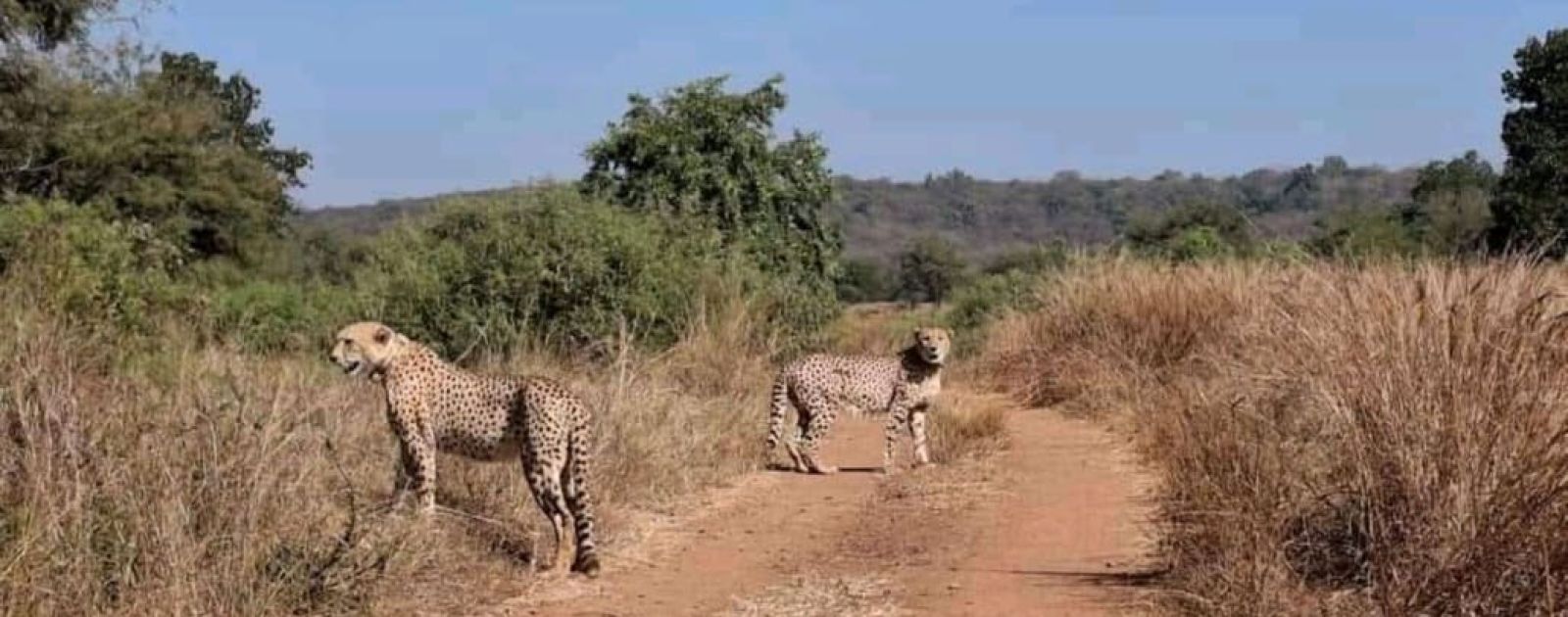
About Kuno National Park
Kuno National Park has its own story to tell. Known for being India’s new home for cheetahs, this park is all about open grasslands, wild rivers, and the hope of seeing something rare. Jeep safaris here cross open fields and riverbanks, where you might see antelope running or hear the calls of jackals. Birdwatchers love the mix of habitats, and every safari zone has its surprises. For visitors who want a fresh wildlife experience, Kuno is full of new possibilities and big horizons.
-
Flora & Fauna
If you’re hoping for variety, Kuno doesn’t disappoint. The big news is the cheetahs, but you’ll also find tigers, leopards, jackals, and plenty of chital and nilgai. The riverbanks attract crocodiles, turtles, and all sorts of birds. Birdwatchers can spend hours here and never get bored—eagles, kingfishers, and bee-eaters are common sights. Each jeep safari explores a different safari zone, and guides are full of stories about the animals and the ongoing cheetah project. No two days feel the same in Kuno.
-
Best Time to Visit Kuno National Park
October to June is the open season for Kuno National Park, and most folks find winter and spring the most comfortable for safaris. Mornings can be crisp, perfect for wildlife drives. As it gets warmer, animals hang out near the river and grasslands, making them much easier to spot and photograph. The park closes for the monsoon, when the rains help the forests recover and roads can get muddy, so always plan your jungle safari or tour package for the dry months to enjoy a smooth, safe trip.
-
How to Reach Kuno National Park
When planning your getaway to Kuno, Gwalior is the nearest airport and big train station, about three hours away by road. Shivpuri is another good option for those coming by car. Be it any way, our tour packages include it all. From pickups, transfers, to drop-offs, getting there is simple. We ensure the drive into Kuno gives you a good look at the countryside before you even reach the gate.
Safari Booking: How to Book a Jungle Safari
Kuno’s jeep safari bookings are best done online, with your hotel, or through the MP Forest website, especially if you want a specific safari zone. Visitor numbers are kept low to protect wildlife and give everyone a fair chance to spot animals, so it’s smart to book early—especially if you’re hoping to see the cheetahs during peak season. Safari charges and prices change by season and safari zone, so always double-check the latest details online or with your travel agent. Always bring your ID and booking slip when you arrive at the gate to avoid any last-minute hassles.
Tips for a Great Kuno Forest Tour
- Visit for the Cheetahs: Kuno is now famous for being home to India’s new wild cheetahs. Check the latest updates before you visit for a chance to spot them.
- Plan Your Trip in Advance: Accommodation is limited and fills up fast, especially after the cheetah reintroduction. Book your stay and safaris early.
- Explore with a Local Guide: Local guides offer the best insights into cheetah tracking and the park’s unique history and grassland habitats.
- Respect Restricted Areas: Some zones are off-limits to protect rewilding efforts. Always stick to your assigned route—this helps conservation and keeps you safe.
- Carry Cash for Entry Fees: Digital payments may not always work at remote forest entry points. Keep cash handy for tickets, tips, or local purchases.
FAQs
1. Is Kuno National Park suitable for families with kids?
Yes, Kuno is a good choice for families. The jeep safaris are safe, and the open landscape makes it easy for kids to spot animals without long waits or crowded viewing areas.
2. Can I combine my Kuno trip with other destinations?
Absolutely. Many visitors add a visit to Gwalior Fort or Shivpuri’s old temples when planning their MP forest tour package, since both are nearby and offer a change of scenery from the jungle.
3. Are there any special rules I should know before my safari?
In Kuno, it’s important to keep noise down and stay seated during jeep safaris. Feeding animals, getting out of the vehicle, or picking plants is not allowed—guides will explain everything at the start.
4. What are some lesser-known animals or birds to look for here?
Watch for nilgai (blue bull), Indian foxes, and the occasional hyena. Birdwatchers should look for painted storks, black ibis, and owls, especially along the riverbanks during early morning drives.
5. Is it possible to do night safaris or nature walks in Kuno?
Night safaris aren’t offered, but some lodges arrange early morning nature walks in the buffer zone. Always check with your hotel or guide for current options and safety instructions.
Got travel questions or want a custom Kuno tour package? Contact us at booking.mpforest@gmail.com, and our team will help you every step of the way.