Raneh Falls: Discover the Dramatic Canyon and Natural Beauty Near Khajuraho
Hidden among the rocky landscapes of Madhya Pradesh, just a short drive from the historic town of Khajuraho, Raneh Falls is a spectacular destination for travellers who enjoy nature, photography, geology and quiet outdoor experiences.
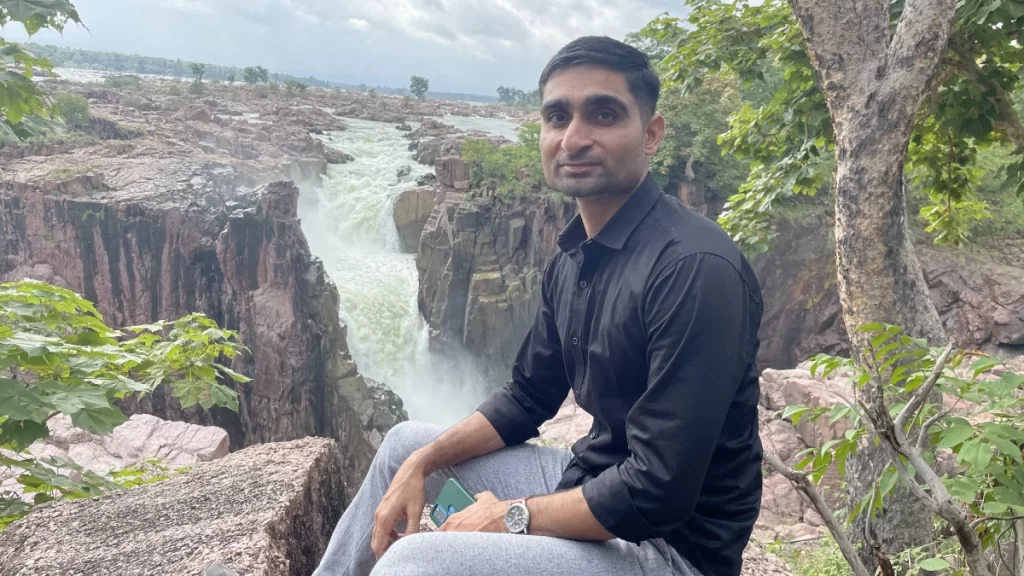
Unlike a conventional waterfall surrounded by dense greenery, Raneh Falls stands out because of the dramatic canyon created by the Ken River. Colourful granite rocks, deep gorges, flowing water and seasonal cascades come together to create one of the most striking landscapes in the Khajuraho region.
The attraction is particularly fascinating because the scenery changes with the seasons. During the monsoon, the canyon becomes greener and additional streams of water appear along the rocky cliffs. In the drier months, falling water levels reveal more of the canyon walls and their unusual geological formations.
For travellers planning a Khajuraho trip, a visit to Raneh Falls is an excellent way to spend a few hours away from the temples and experience a completely different side of Madhya Pradesh.
Raneh Falls: A Remarkable Geological Landscape
The biggest attraction of Raneh Falls is not simply the waterfall itself. It is the extraordinary canyon through which the Ken River flows.
The river has carved a long, rugged gorge through the surrounding rock, creating steep walls and dramatic viewpoints. The exposed rocks display natural shades ranging from pink and red to grey, giving the landscape a distinctive appearance.
The canyon extends for several kilometres, while some sections reach considerable depths. As the Ken River moves through the rocky gorge, it creates waterfalls and rapids that add movement and sound to an otherwise peaceful landscape.
Because of this unusual combination of water and exposed rock, Raneh Falls is often compared with larger canyon landscapes. However, its character is distinctly shaped by the Vindhyan region and the Ken River.
For photographers, the changing colours of the rocks can be particularly attractive during the early morning and late afternoon, when softer sunlight brings out the natural textures of the canyon.
The Geological Story Behind Raneh Falls
The landscape around Raneh Falls has a fascinating geological history that goes back millions of years.
The canyon contains ancient igneous and metamorphic rock formations, including granite and other geological materials. Long-term geological processes, combined with the erosive power of the Ken River, have gradually shaped the gorge seen today.
Different rock surfaces display contrasting colours and textures. Walking around the designated viewpoints allows visitors to appreciate how natural forces have created the unusual landscape over an extremely long period.
The presence of different rock types within the same area makes Raneh Falls particularly interesting for people fascinated by geology. It is a destination where a sightseeing trip can also become an opportunity to understand how rivers and geological forces shape the land.
The Ken River and the Raneh Canyon
The Ken River is central to the character of Raneh Falls. Rather than simply passing beside the attraction, the river has played a major role in creating the canyon itself.
As the river moves through the rocky terrain, it passes between steep canyon walls and over uneven rock surfaces. During periods of higher water flow, the sound and movement of the river become a major part of the experience.
The river also supports an important ecosystem in the surrounding region. Birds and other wildlife can be found around suitable stretches of the waterway, making the area interesting for nature enthusiasts as well as casual visitors.
The combination of river, cliffs and forest makes Raneh Falls especially different from many other popular waterfalls in India.
Best Time to Visit Raneh Falls
The ideal time to visit Raneh Falls depends on what you want to experience.
Monsoon Season
The monsoon brings a dramatic transformation to the landscape. Rainwater increases the flow of the Ken River and creates additional seasonal streams and cascades along the rocky terrain.
The surrounding vegetation becomes greener, while the sound of rushing water makes the canyon feel particularly lively.
However, visitors should remember that water conditions can change quickly during heavy rainfall. Access to certain areas may also be restricted when conditions are considered unsafe.
September to November
The period after the monsoon can be an excellent time to explore Raneh Falls. Water levels begin to settle, making the canyon and its colourful rock formations easier to appreciate.
The landscape retains much of its seasonal greenery while the weather gradually becomes more comfortable for sightseeing and photography.
Winter Months
The cooler months are also suitable for visiting the falls. Pleasant daytime temperatures make it easier to combine Raneh Falls with nearby attractions such as Khajuraho and Panna.
Visitors who prefer comfortable sightseeing conditions may find the winter season particularly convenient.
Raneh Falls Timings and Entry Fees
Visitors should always verify the latest timings and ticket prices before travelling because tourism regulations and charges can change.
Based on the available information:
- Opening Hours: 6:00 AM to 6:00 PM
- Wednesday: 6:00 AM to 12:00 PM
- Entry Fee: Approximately ₹50 per person
- Car Entry: Approximately ₹300 per car
These rates should be treated as indicative rather than permanent. It is advisable to confirm the current charges locally or through official tourism sources before your visit.
What to See and Do at Raneh Falls
A trip to Raneh Falls does not have to be limited to standing at a viewpoint and watching the water. The surrounding landscape offers several opportunities to enjoy nature.
Enjoy the Canyon Views
The canyon is the main attraction. Take time to observe the different rock colours, steep walls and river flowing through the gorge.
The landscape looks different from various viewpoints, so photography enthusiasts should allow enough time to explore the designated viewing areas.
Photography
The unusual combination of colourful rocks, flowing water and forest makes Raneh Falls a rewarding photography destination.
Morning light can create softer contrasts, while afternoon light can emphasize the textures and colours of the exposed rock surfaces.
Birdwatching
The river and surrounding vegetation provide habitat for a variety of birds. Visitors who enjoy birdwatching should carry binoculars and spend some time quietly observing the surrounding landscape.
Explore Nearby Attractions
One of the advantages of visiting Raneh Falls is its proximity to several other attractions. Travellers can combine the falls with Khajuraho, Panna Tiger Reserve and the Ken Gharial Sanctuary to create a broader wildlife and nature itinerary.
Ken Gharial Sanctuary Near Raneh Falls
The Ken Gharial Sanctuary is another important natural attraction in the region. It protects a section of the Ken River ecosystem and provides habitat for the endangered gharial.
The sanctuary is associated with the meeting of the Ken and Khudar rivers and is particularly interesting for visitors who want to learn more about river wildlife and reptiles.
The sanctuary may have seasonal restrictions, particularly during the monsoon and breeding periods. Visitors should therefore check current access arrangements before planning their trip.
For wildlife enthusiasts, combining Raneh Falls with the sanctuary can provide a useful contrast between geological sightseeing and river-based wildlife exploration.
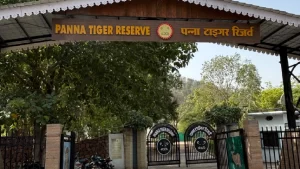
Panna Tiger Reserve Near Raneh Falls
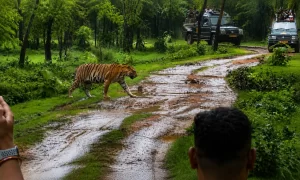
Travellers interested in wildlife can extend their safari trip to Panna Tiger Reserve, which lies close to the Raneh Falls area.
A Panna safari offers opportunities to explore dry deciduous forests, grasslands, rocky terrain and riverine habitats. The reserve is home to tigers as well as leopards, sloth bears, chital, sambar, nilgai, chinkara and numerous bird species.
Combining Raneh Falls and Panna makes sense for travellers who want to experience both the geological beauty and wildlife of this part of Madhya Pradesh.
Depending on the season, tiger safari availability and forest regulations, travellers can plan a morning or afternoon safari around their visit to the falls.
How to Reach Raneh Falls
Raneh Falls is conveniently located near Khajuraho and can be included in a day itinerary.
By Air
Khajuraho Airport is the nearest airport and is approximately 20–25 kilometres from Raneh Falls, depending on the route taken.
After arriving at the airport, visitors can hire a taxi or arrange private transportation to reach the falls.
Khajuraho’s airport makes the destination relatively accessible for travellers arriving from major Indian cities, subject to current flight schedules.
By Train
Khajuraho Railway Station is one of the nearest railway stations and is approximately 25–30 kilometres from the falls.
Another option is Mahoba Railway Station, which is farther away but connected with a wider railway network.
From either station, visitors can continue their journey by taxi or other local transportation.
By Road
Road travel is one of the easiest ways to reach Raneh Falls, particularly for travellers already staying in Khajuraho.
The falls are roughly 22–25 kilometres from Khajuraho, making them suitable for a half-day excursion.
Visitors can hire a private taxi, cab or local vehicle from Khajuraho. The journey also makes it convenient to combine Raneh Falls with other attractions in the surrounding area.
Where to Stay Near Raneh Falls
There are limited accommodation options immediately around Raneh Falls, so most travellers choose to stay in Khajuraho.
Khajuraho offers a broad selection of hotels, resorts, guesthouses and homestays. Visitors can choose accommodation according to their budget and preferred level of comfort.
Staying in Khajuraho also makes it easier to visit several attractions in the region without changing hotels.
For travellers planning a wildlife-focused itinerary, accommodation around Panna can also be considered, particularly when a safari is included in the trip.
Tips for Visiting Raneh Falls
A little preparation can make your visit more comfortable.
- Wear comfortable footwear because some areas around the viewpoints can be rocky.
- Carry drinking water, particularly during warmer months.
- Avoid approaching restricted or unsafe sections of the canyon.
- Follow local instructions around the river and waterfall.
- During the monsoon, be especially careful around wet rocks and strong water currents.
- Carry a camera or smartphone if photography is important to you.
- Birdwatchers should consider carrying binoculars.
- Check the latest opening hours and entry charges before travelling.
- If combining the visit with Panna, check safari availability in advance.
Raneh Falls and Khajuraho: A Perfect Combination
One of the biggest advantages of Raneh Falls is its location near Khajuraho.
Khajuraho is internationally known for its historic temples and intricate architecture, but the surrounding region offers much more for travellers interested in nature.
A well-planned itinerary can combine the temples of Khajuraho with Raneh Falls, Panna Tiger Reserve and the Ken Gharial Sanctuary.
This creates a diverse travel experience that brings together heritage, wildlife, rivers, geology and rural landscapes within a relatively compact area.
Why Raneh Falls Is Worth Visiting
Raneh Falls is a destination that rewards travellers who appreciate landscapes rather than simply ticking attractions off a list.
The colourful canyon walls, ancient rocks and flowing Ken River create a setting that feels very different from the monuments of nearby Khajuraho. During the monsoon, the landscape becomes especially dramatic, while the post-monsoon months reveal the details of the canyon and its geological formations.
Whether you are a photographer, nature lover, geology enthusiast, wildlife traveller or simply someone looking for a peaceful escape from the usual tourist circuit, Raneh Falls offers something memorable.
Its real charm lies in the complete landscape: the Ken River cutting through ancient rock, seasonal waterfalls appearing along the canyon, greenery covering the surrounding terrain and the quiet atmosphere of the Vindhyan countryside.
For anyone visiting Khajuraho or exploring the natural attractions of Madhya Pradesh, Raneh Falls deserves a place on the itinerary.